


Every successful business depends on one essential process: turning potential customers into paying clients. No matter how great your products or services may be, your business cannot grow consistently without a structured way to attract, engage, and convert customers. This is where a sales funnel becomes extremely important.
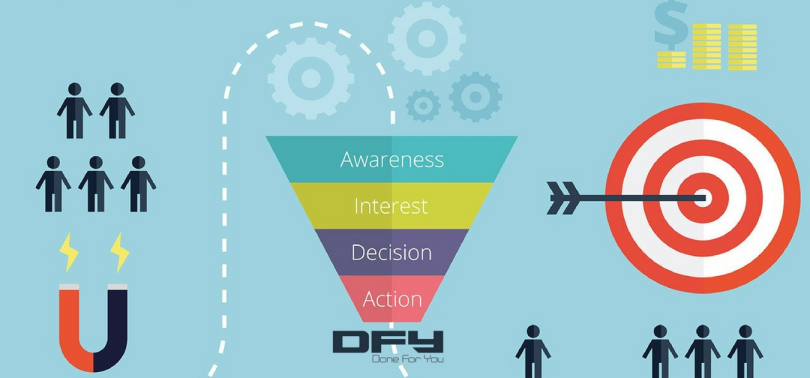
A sales funnel is the journey customers take from discovering your business to making a purchase. It guides potential buyers through different stages, helping them build trust and confidence in your brand. Businesses that understand how to create an effective sales funnel often achieve better conversions, stronger customer relationships, and higher revenue.
In today’s competitive digital environment, simply trying to advertise your business is not enough. Customers are exposed to thousands of marketing messages every day. To stand out, companies need a strategic system that nurtures leads and encourages action. A successful sales funnel provides that structure.
Whether you own a small startup or a growing enterprise, learning how to build and optimize a sales funnel can dramatically improve your business performance. This guide explains every important stage of the process and shows how you can create a funnel that consistently attracts and converts customers.
Understanding the Purpose of a Sales Funnel
A sales funnel is designed to move potential customers through a series of steps that eventually lead to a purchase decision. The reason it is called a funnel is because many people may enter at the top, but only a smaller percentage continue through each stage until conversion.
Without a clear funnel, businesses often lose potential customers because they fail to provide the right information or engagement at the right time. Customers rarely make immediate buying decisions. Most people need education, reassurance, and trust before making a purchase.
A sales funnel helps organize this process by delivering targeted content and experiences based on customer behavior and interests. Instead of using random marketing tactics, businesses can create a structured journey that increases conversion rates.
An effective sales funnel also improves marketing efficiency. Rather than wasting resources trying to reach everyone, businesses focus on guiding qualified leads toward a purchase. This makes it easier to advertise your business strategically while maximizing results.
Identify Your Target Audience
The foundation of every successful sales funnel begins with understanding your target audience. If you do not know who your ideal customers are, your marketing efforts will likely fail to generate meaningful results.
Start by researching customer demographics, interests, challenges, and buying behaviors. Understanding what motivates your audience allows you to create messaging that resonates with them emotionally and practically.
Consider the problems your products or services solve. Customers are not simply buying products; they are searching for solutions. The more clearly you understand their needs, the more effectively you can position your business.
Creating customer personas can help organize this information. A customer persona is a detailed profile of your ideal buyer that includes age, occupation, goals, frustrations, and purchasing habits.
Knowing your audience also improves your ability to advertise your business effectively. Targeted marketing campaigns are more successful because they address specific customer concerns instead of using generic messaging.
Create Awareness at the Top of the Funnel
The first stage of a sales funnel focuses on awareness. This is where potential customers discover your business for the first time. Your goal at this stage is to attract attention and introduce your brand to a wider audience.
Content marketing plays a major role in building awareness. Blog posts, videos, podcasts, social media content, and educational resources help attract people who are searching for information related to your industry.
Search engine optimization is equally important. Optimizing your content with relevant keywords helps your website appear in search engine results when customers search for solutions. Including phrases such as advertise your business naturally within valuable content improves visibility while maintaining readability.
Social media platforms also provide excellent opportunities to increase brand awareness. Sharing engaging and informative content encourages users to interact with your business and learn more about your services.
Paid advertising can support awareness campaigns as well, but organic strategies often produce stronger long-term relationships. The goal is not simply to gain traffic but to attract people who are genuinely interested in what your business offers.
Build Interest Through Valuable Content
Once potential customers become aware of your business, the next step is building interest. At this stage, people are evaluating whether your products or services can solve their problems.
Educational content becomes especially important during this phase. Customers want information that helps them make informed decisions. Providing useful insights positions your business as a trusted authority.
Detailed blog posts, webinars, tutorials, case studies, and guides can all help nurture interest. Instead of aggressively promoting your products, focus on helping customers understand their challenges and possible solutions.
Email marketing is highly effective for nurturing leads during this stage. Offering free resources such as ebooks or checklists in exchange for email addresses allows businesses to continue communicating with potential customers over time.
Consistency is critical. Businesses that regularly provide valuable content remain visible and build stronger trust with their audience. Customers are more likely to purchase from brands they recognize and trust.
Building interest also requires strong storytelling. Sharing customer success stories and authentic experiences helps potential buyers connect emotionally with your brand.
Encourage Consideration and Trust
As leads move deeper into the funnel, they begin comparing options and evaluating whether your business is the right choice. This stage focuses heavily on trust and credibility.
Customers often hesitate before making purchases because they fear making the wrong decision. Businesses must address these concerns by providing reassurance and transparency.
Testimonials, reviews, and case studies are powerful trust-building tools. Positive feedback from existing customers demonstrates that your products or services deliver real results.
Your website design and user experience also influence trust. A professional, easy-to-navigate website creates confidence and improves credibility. Slow loading times, confusing layouts, or outdated designs can discourage potential buyers.
Providing detailed product information and answering common questions helps reduce uncertainty. Customers appreciate businesses that are transparent about pricing, features, and benefits.
Strong communication also matters during this phase. Responding quickly to inquiries and maintaining helpful customer support can significantly influence purchasing decisions.
Create a Compelling Offer
At the bottom of the funnel, leads are close to making a purchase decision. Your goal now is to encourage action by presenting a compelling offer.
A strong offer clearly communicates value and explains why customers should choose your business over competitors. Discounts, free trials, bonuses, or limited-time promotions can help motivate conversions.
However, pricing alone should not become the primary selling point. Customers are often willing to pay more for businesses they trust and perceive as valuable.
Calls to action should remain clear and persuasive. Whether encouraging customers to schedule a consultation, sign up for a service, or purchase a product, the next step should feel simple and obvious.
Reducing friction is equally important. Complicated checkout processes or excessive forms can cause customers to abandon purchases. Streamlining the conversion process improves results significantly.
Businesses should also continue reinforcing trust at this stage. Security guarantees, return policies, and customer support availability can increase confidence and reduce hesitation.
Use Automation to Improve Efficiency
Marketing automation can significantly improve sales funnel performance. Automation tools help businesses communicate with leads consistently without requiring constant manual effort.
Email sequences, customer relationship management systems, and automated follow-ups allow businesses to nurture leads more effectively. Personalized communication improves engagement because customers receive content relevant to their interests and behaviors.
Automation also helps businesses scale their marketing efforts. As your audience grows, maintaining personalized communication manually becomes increasingly difficult.
However, automation should still feel human and authentic. Customers appreciate personalized experiences rather than generic promotional messages.
Automated systems can also track customer behavior, providing valuable insights into how leads interact with your content and offers. This data helps businesses refine their sales funnels continuously.
Optimize Your Landing Pages
Landing pages are one of the most important elements of a sales funnel. These pages are specifically designed to convert visitors into leads or customers.
An effective landing page should focus on a single objective. Too many distractions or competing messages can reduce conversion rates. Clear headlines, persuasive copy, and strong calls to action help guide visitors toward the desired action.
Visual appeal also matters. Professional design, quality images, and mobile responsiveness improve user experience and credibility.
Landing pages should highlight customer benefits rather than simply listing product features. Explain how your offering improves the customer’s life or solves their problems.
Testing different landing page variations can also improve performance. Small changes in headlines, layouts, or calls to action can significantly impact conversions.
Businesses trying to advertise your business online often rely heavily on landing pages because they create focused experiences tailored to specific campaigns.
Analyze Funnel Performance
Creating a sales funnel is not a one-time process. Continuous analysis and optimization are essential for long-term success.
Tracking key metrics helps identify strengths and weaknesses within the funnel. Metrics such as website traffic, conversion rates, email open rates, and customer acquisition costs provide valuable insights.
Understanding where leads drop off allows businesses to improve weak areas. For example, if many visitors leave during checkout, simplifying the purchasing process may increase conversions.
A/B testing can further improve performance. Testing different headlines, visuals, offers, and email subject lines helps identify what resonates most with your audience.
Data-driven decision-making reduces guesswork and improves efficiency. Businesses that regularly optimize their funnels often achieve significantly better results over time.
Retain Customers After the Sale
A successful sales funnel does not end after the purchase. Customer retention is equally important for long-term profitability.
Existing customers are often easier and less expensive to retain than acquiring new ones. Building long-term relationships increases repeat purchases and customer loyalty.
Follow-up communication helps maintain engagement after the sale. Thank-you emails, exclusive offers, educational content, and customer support all contribute to positive experiences.
Loyal customers also become valuable brand advocates. Satisfied customers often recommend businesses to others, helping advertise your business organically through word-of-mouth marketing.
Upselling and cross-selling opportunities can further increase customer lifetime value. However, these strategies should focus on delivering genuine value rather than appearing overly aggressive.
Businesses that prioritize customer satisfaction often develop stronger reputations and more sustainable growth.
Common Sales Funnel Mistakes to Avoid
Many businesses struggle with sales funnels because they focus too heavily on selling instead of relationship-building. Customers want value, trust, and authenticity before making purchasing decisions.
Another common mistake is targeting the wrong audience. Even the best funnel will fail if it attracts people who are not interested in your offerings.
Poor follow-up communication also reduces conversions. Leads often require multiple interactions before purchasing, making consistent nurturing essential.
Complicated customer journeys can create frustration and confusion. Simplifying navigation and maintaining clear messaging improves user experience significantly.
Finally, ignoring analytics prevents improvement. Businesses that fail to monitor performance often continue using ineffective strategies without realizing it.
Conclusion
Learning how to create a successful sales funnel is one of the most valuable skills for modern businesses. A well-designed funnel helps attract qualified leads, build trust, and convert potential customers into loyal clients.
Instead of relying solely on random marketing tactics to advertise your business, a sales funnel provides a structured system that guides customers through every stage of the buying journey.
Success comes from understanding your audience, delivering valuable content, building credibility, and optimizing customer experiences continuously. Businesses that focus on relationships rather than aggressive selling often achieve stronger long-term results.
Sales funnels are not just marketing tools; they are systems for creating meaningful customer connections and sustainable growth. By investing time into developing and refining your funnel, you can improve conversions, strengthen customer loyalty, and build a more profitable business.
FAQs
What is a sales funnel?
A sales funnel is a marketing process that guides potential customers from discovering a business to making a purchase. It includes multiple stages designed to build trust and encourage conversions.
Why is a sales funnel important?
A sales funnel helps businesses organize the customer journey, improve conversions, and create more effective marketing strategies.
How can I advertise your business using a sales funnel?
You can advertise your business through content marketing, SEO, social media, email campaigns, and targeted offers that attract and nurture potential customers.
What are the stages of a sales funnel?
The main stages include awareness, interest, consideration, conversion, and customer retention.
How long does it take to create an effective sales funnel?
The timeline varies depending on the business and industry. Building and optimizing a successful funnel often requires ongoing testing and improvements over several months.
What tools can help manage a sales funnel?
CRM software, email marketing platforms, analytics tools, and marketing automation systems can help businesses manage and optimize their sales funnels.
Can small businesses benefit from sales funnels?
Yes, sales funnels are valuable for businesses of all sizes. Small businesses can use funnels to improve lead generation, customer engagement, and conversions.
How do I improve my sales funnel conversion rate?
Improving conversion rates involves optimizing landing pages, simplifying the customer journey, building trust, using clear calls to action, and analyzing performance data regularly.
